Bella Coola Grizzly Bear Incident Update
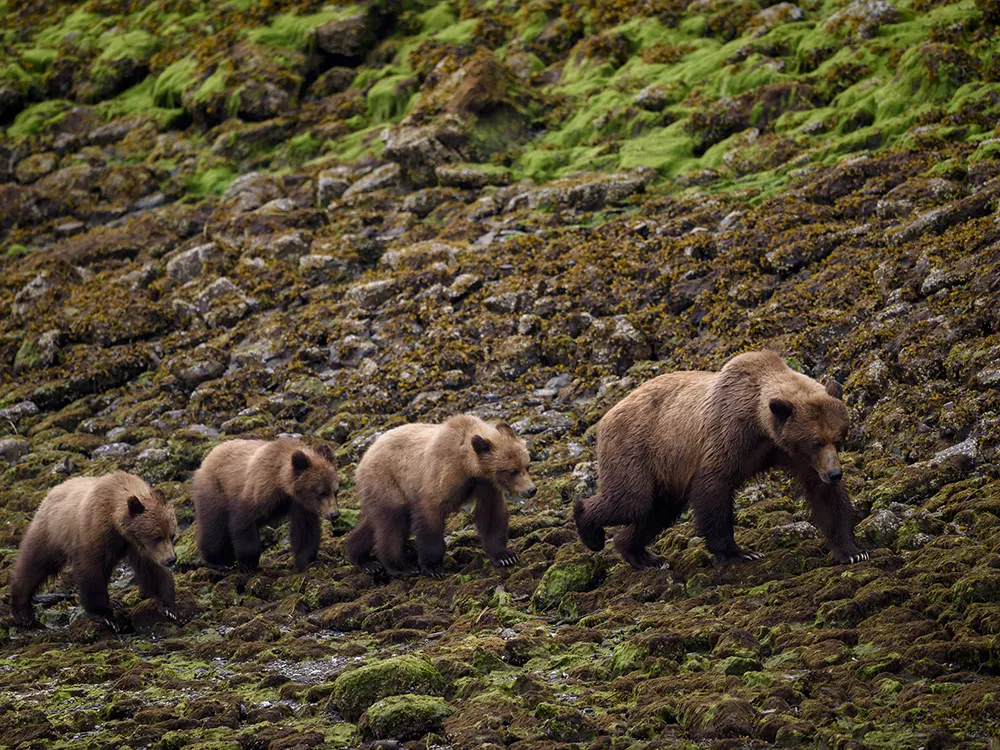
The B.C. Conservation Officer Service (BCCOS) confirmed through forensic testing that an adult sow and her three offspring were involved in the attack. All four bears were captured and destroyed in accordance with provincial human-wildlife conflict response guidelines.
Inspector Jeff Tyre said the investigation found that the encounter likely involved predatory behaviour. We know predatory behaviour is pretty rare, but that doesn’t make it less scary. In fact, it’s probably scarier than defensive attacks triggered by surprising a bear.
More than a dozen conservation officers participated in the response. The investigation is concluded, although further analysis will examine the response and the circumstances that led to the attack.
The four bears were also confirmed not to have been involved in the November 2025 attack on a group of schoolchildren and teachers in Bella Coola, which injured 11 people. The bear responsible for that attack was never found. That’s an important finding – BCCOS has the technology to potentially identify which bears are doing what, which I think is pretty significant.
The two incidents occurred approximately one year apart. That raises a few obvious questions. was this predatory attack a result of hyperphagia, bears accustomed to humans in the Bella Coola Valley or a function of g-bears not being hunted? We will have lots of time to evaluate those questions over the next 18 months or so.
There is not enough publicly released information to say exactly how the Bella Coola encounter began. The Conservation Officer Service has not provided the specific behavioural evidence behind its conclusion. We’ll see if we can learn more as some of our members interact with COS officers and other government officials.
There are a lot of other questions left unanswered. Are grizzly populations in BC increasing? are there resident populations on Vancouver Island, Squamish, the Upper Pitt or other areas in BC? Should we be supportive of reintroduction efforts into the Canadian part of the North Cascades? Does hunting reduce human-bear conflict? Should a sustainable & regulated grizzly hunt, informed by science, be re-instituted? How should we address this subject? What should we be measuring?
There are some questions that we can answer. As conservationists who spend time on the land we know that bears are generally safe, but have the potential to be extremely dangerous. We travel in grizzly country. Bear spray is effective, but not 100% dependable. Firearms in the right hands are a great bear response in appropriate circumstances and in appropriate hands. More people is better than fewer. Paying attention and situational attention is very important. Black bears can also be dangerous. Dogs can be effective in running bears off or harassing them during a bear attack, but they can also escalate a bear encounter.
There is clearly an educational opportunity for NSF&G here.