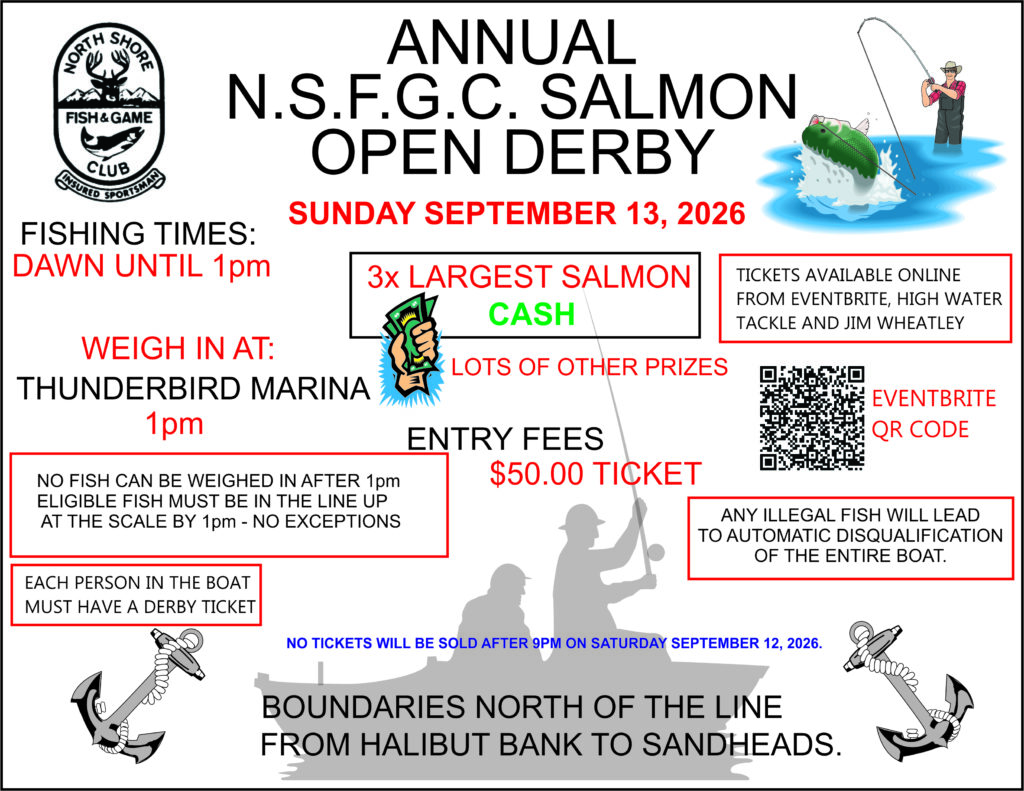
You can get tickets in person from Highwater Tackle or online from Eventbrite at https://www.eventbrite.com/e/2026-north-shore-fish-and-game-salmon-derby-tickets-1995393028262?aff=oddtdtcreator
You can get tickets in person from Highwater Tackle or online from Eventbrite at https://www.eventbrite.com/e/2026-north-shore-fish-and-game-salmon-derby-tickets-1995393028262?aff=oddtdtcreator
The North Shore Fish & Game Club is pleased to invite members and guests to an evening dedicated to one of the most important wildlife conservation issues facing British Columbia.
👉 Register here: https://www.eventbrite.com/e/chronic-wasting-disease-what-every-bc-hunter-should-know-tickets-1994395940947?aff=oddtdtcreator
Cait Nelson, lead for the province’s CWD Program, will be presenting on:
Chronic Wasting Disease (CWD) continues to spread across North America, making surveillance, early detection, and hunter participation more important than ever. This presentation will provide an update on the current situation in British Columbia, explain how wildlife managers are responding, and discuss the important role hunters play in helping protect cervid populations.
We’re especially pleased that wildlife biologist Kirstyn Falck will provide a live demonstration showing how to correctly collect the three tissue samples used for CWD testing:
Whether you’ve submitted samples before or have never done it, this practical demonstration will help you better understand the process and give you greater confidence in the field.
👉 Register here: https://www.eventbrite.com/e/chronic-wasting-disease-what-every-bc-hunter-should-know-tickets-1994395940947?aff=oddtdtcreator
One of the strengths of the North Shore Fish & Game Club is our commitment to conservation through education.
This presentation is an opportunity to stay informed, ask questions, and learn practical skills that help protect the wildlife resources we all value. If you hunt deer, elk, or moose—or simply care about healthy wildlife populations—you’ll leave with a better understanding of one of today’s most important conservation challenges.
Date: Tuesday, August 11
Time: 6:30
Location: Reliable Gun, Langley Store, #103 8860 201 Street Langley, BC
Cost: Free
Please register through Eventbrite so we can plan seating and refreshments.
👉 Register here: https://www.eventbrite.com/e/chronic-wasting-disease-what-every-bc-hunter-should-know-tickets-1994395940947?aff=oddtdtcreator
Members are encouraged to invite a friend, hunting partner, or family member who may be interested in learning more about Chronic Wasting Disease.
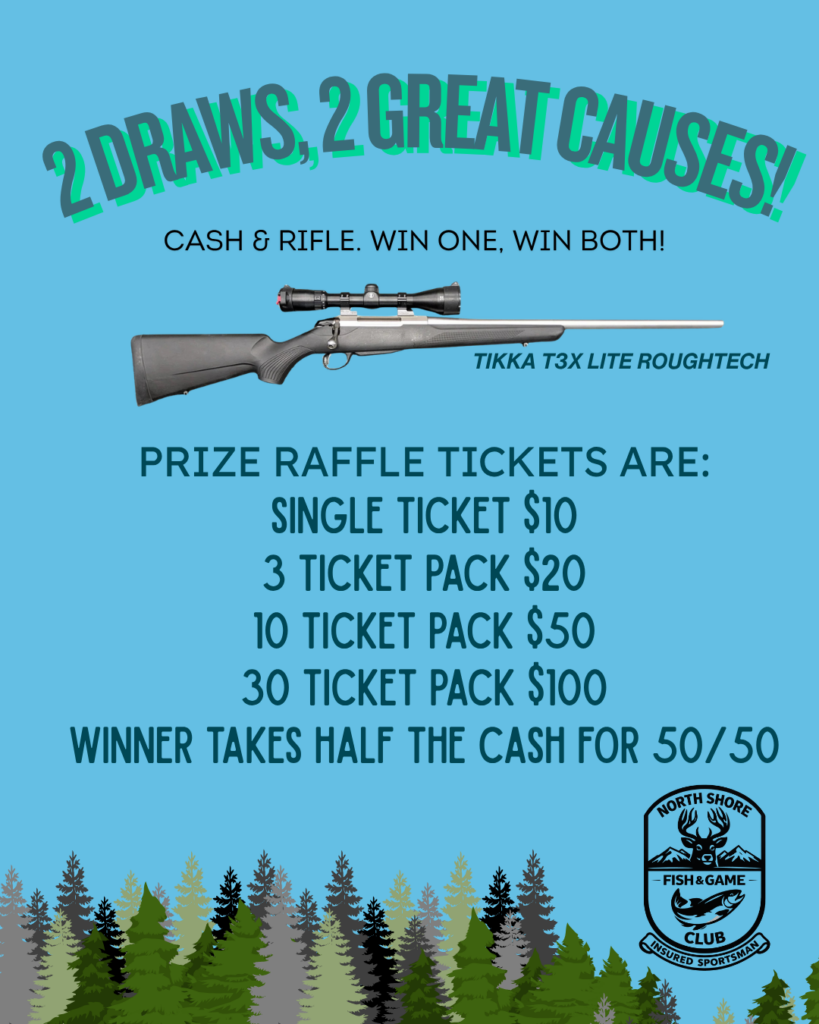
North Shore Fish and Game is running two contests to raise money to run the club! Click the link to buy tickets!
*and*
Win the 50/50 cash draw!
Deadline: Monday, August 31, 2026 at 11:59 p.m.
Draw date: Tuesday, September 1, 2026 at 7:30 p.m.
Prize Raffle tickets are:
Single Ticket for $10,
3-Ticket Pack for $20, 10-Ticket Pack for $50 SOLD OUT,30-Ticket Pack for $100 SOLD OUT.
50/50 tickets are:
Single Ticket for $10,
3-Ticket Pack for $20,
10-Ticket Pack for $50, 30-Ticket Pack for $100 SOLD OUT.
This Years Date is May 30th and 31st
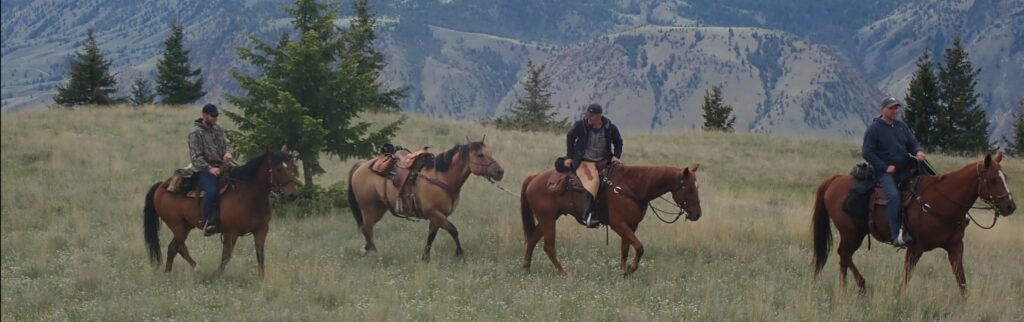
People will start arriving Thursday or Friday at Haller Rec Site. The weather looks like it will be good, but don’t forget rain gear.
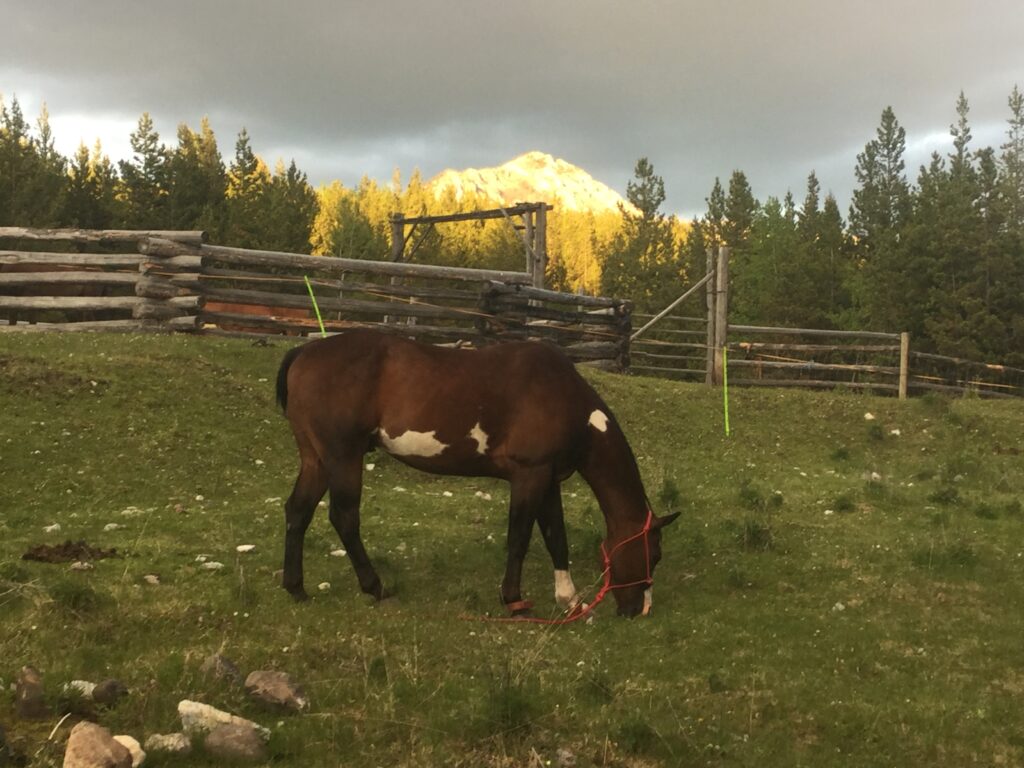
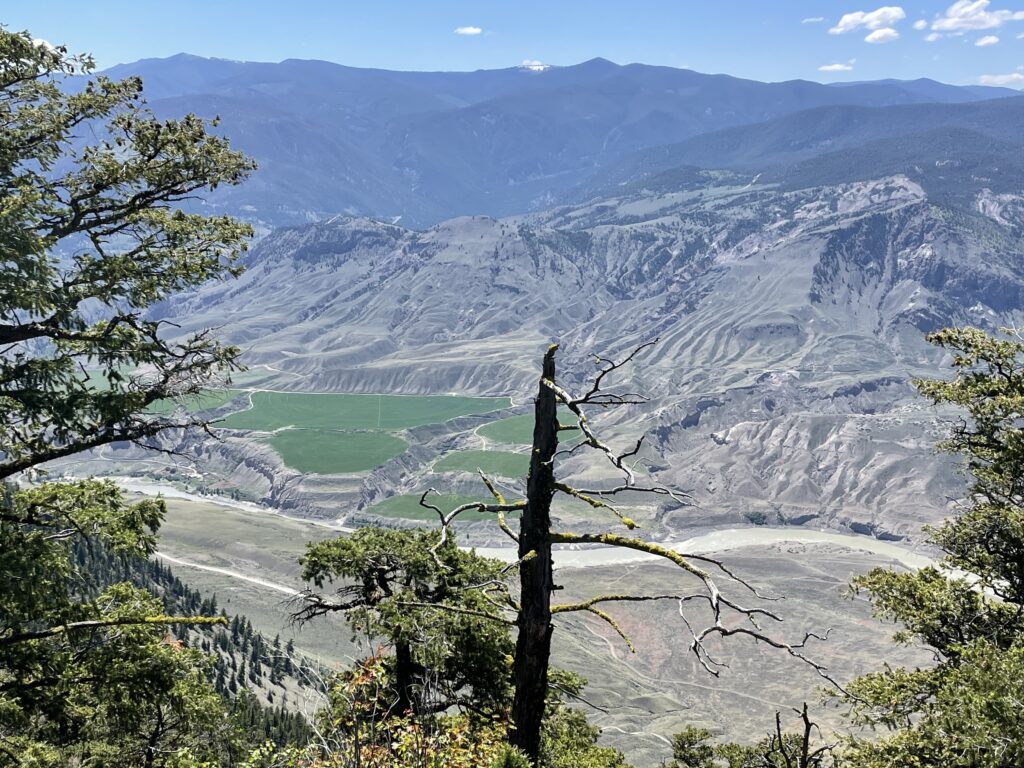
We will camp at Haller Rec sites and do daily rides into the Edge Hills or across the road into the Marbles.
This site accommodates tent camping, campers or trailers. There are pit toilets and lots of room at each one.
Rental horses and guides come from Charlie and Jenn at the Coldwell Ranch. Rental costs are $200/day. Give me a call at 604-230-4225 or an email to conservationrob@gmail.com if you need some help.
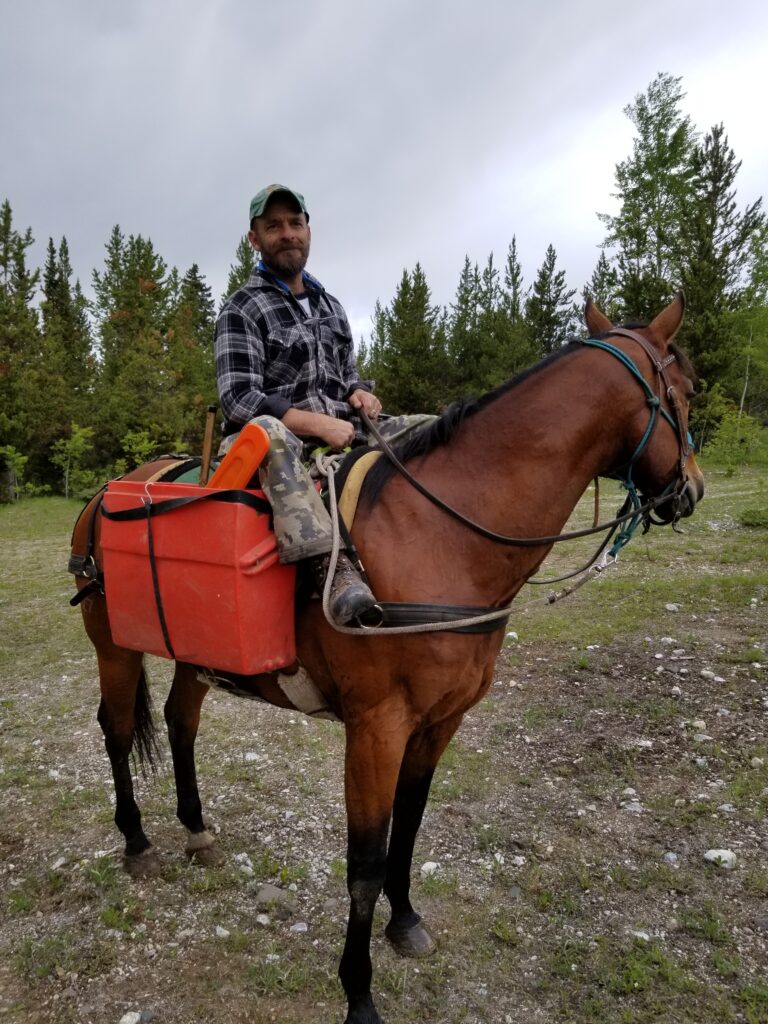
If you have your own horses and are able to get them there and care for them, you are encouraged to do so.
There will be a potluck at my camp Saturday night, so keep that in mind. It’s fun time to sit around, eat and tell some good lies!
I look forward to seeing a bunch of you there!
Where Is The Ride Happening?
For anyone who doesn’t already know where we go, here are the details:
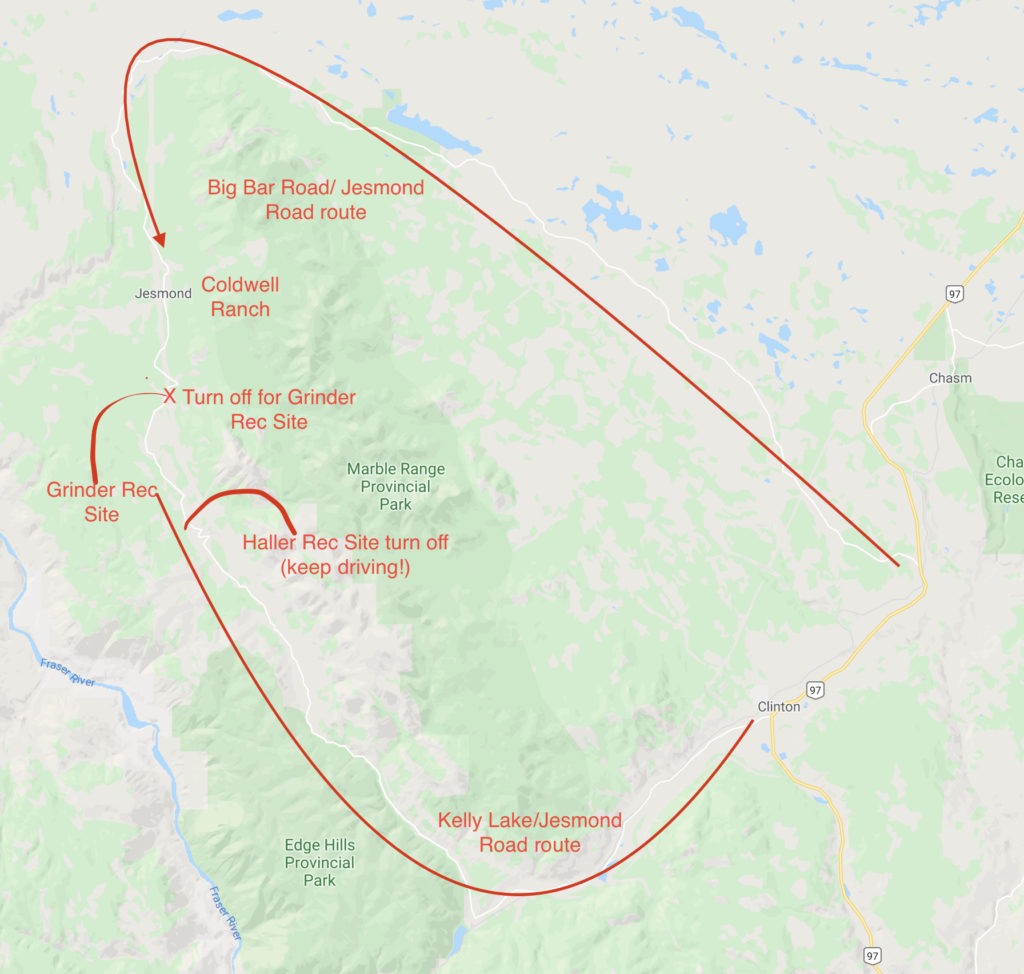
The closest town to where we ride is Clinton, BC, just north of Cache Creek and south of 100 Mile House. The area we ride is to the west of that, close to the Fraser. You can find both of our potential camp sites off the Jesmond Road, which you access via the Kelly Lake Road or the Big Bar Road. The red circle is the area where we do our rides.
We are camping at Haller this year. The Kelly Lake/Jesmond Road route is shorter, and the first 17 kms or so are paved. Turn left as soon as you come to the village of Clinton, as indicated on the map, and look for the turn off to the camp on your left just a couple minutes after you pass through the Circle H Mountain Ranch.
The Big Bar Road route is longer, but it was just graded on Tuesday, so it might be a preferable route for some people.
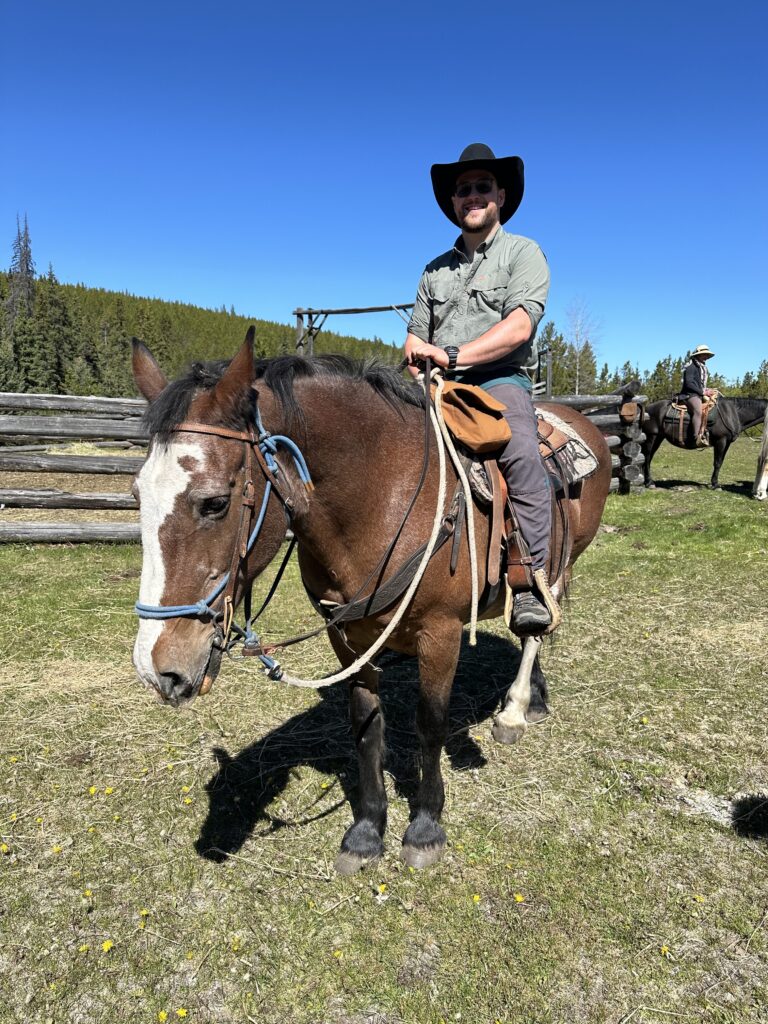
One of our favourite gatherings (social distanced of course) is the ever so wonderful potluck. Our potlucks are fun casual affairs and as anyone who’s attended them knows, we don’t overthink them.
As always, an open invitation to cowboy poets and music!l
If anything is unclear or you have any questions you can contact Rob directly at 604-230-4225 or by email at rob@robchipman.net

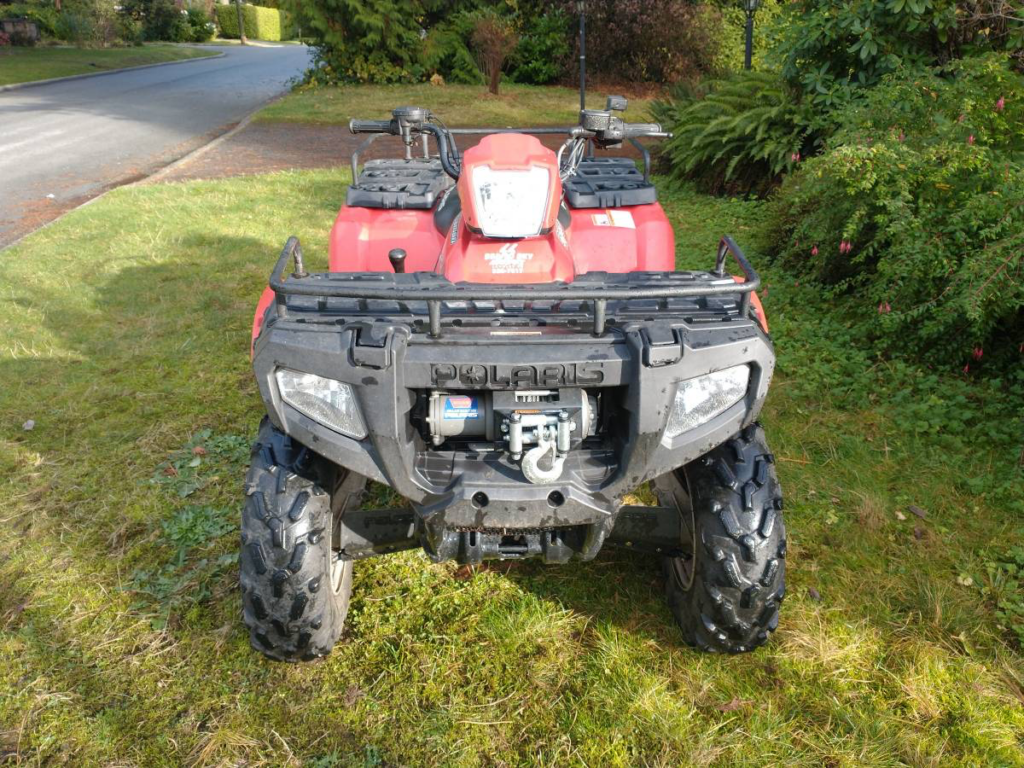
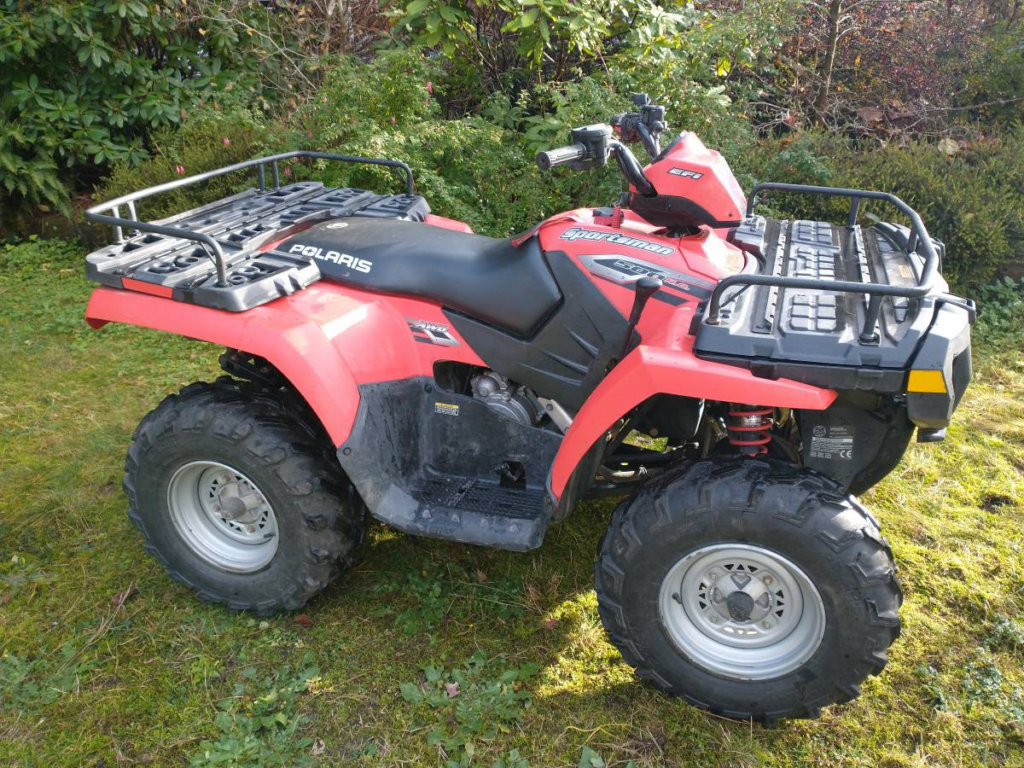
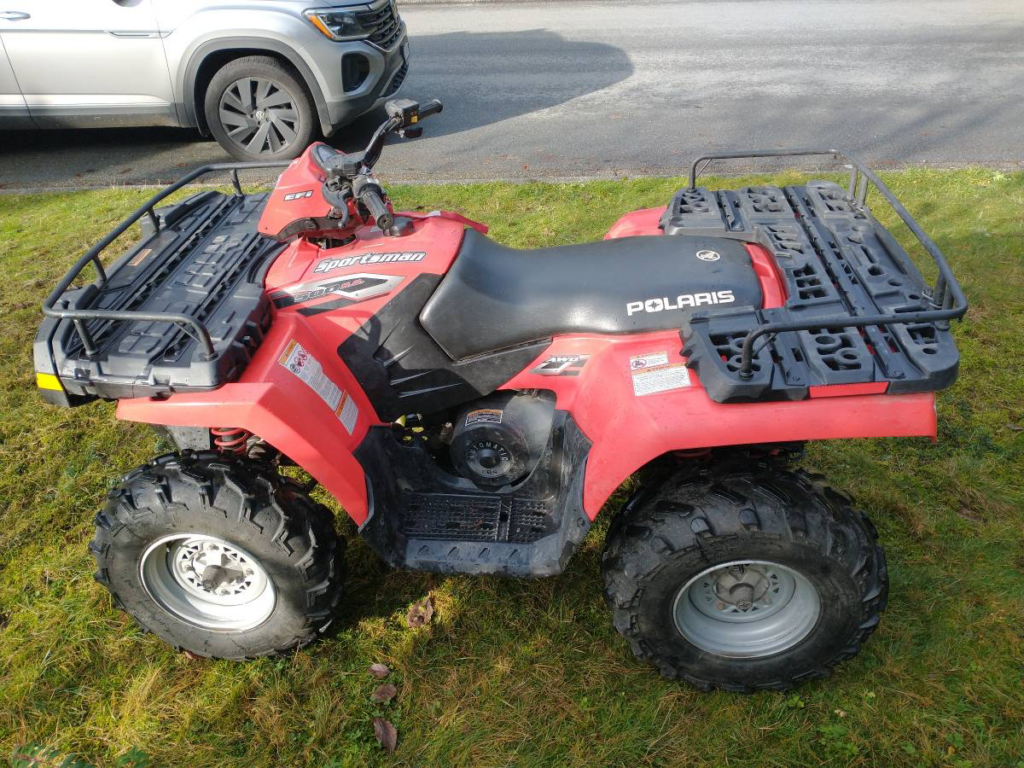
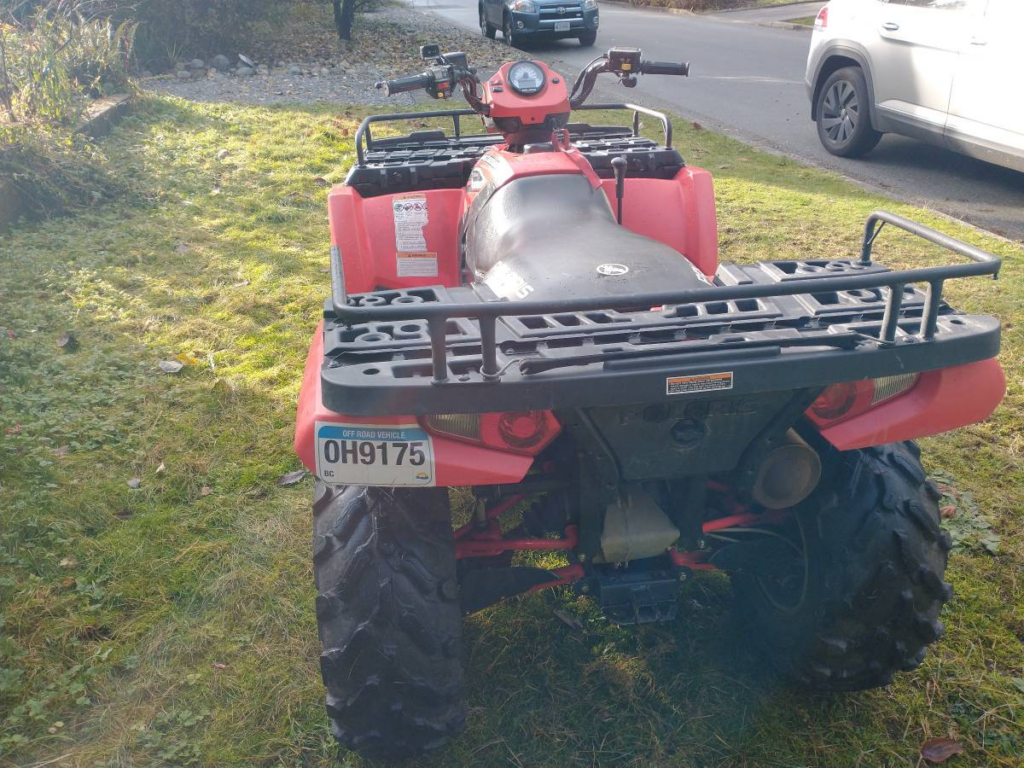
Paddy Lee is selling JUST SOLD one of his quads. You can can’t find the actual listing on Craigslist anymore because it’s sold! Congrats, Paddy!
The info is still here in case anyone else wants to reference what 20 year old quad with low klicks sells for.
2006 Polaris 500 HO Fuel injection
2300 kms
Winch, skid plates, suspension protection plates, heated handlebars and thumb grip, cargo rack rails.
Engine oil, transmission fluid and gear oil changed last summer ie less than 100km ago.
It has only had 2 owners – Paddy persuaded his buddy to sell to him 4 years ago. It hadn’t been used for 12+ years and was always stored inside. It had 300 kms on the the clock when Paddy bought it. I can vouch for the fact that Paddy’s pretty careful with and takes good care of his gear .
He’s only used it on logging roads and occasional trails. It’s a good bike in great condition but he bought a newer one that goes faster 😉
Full price includes delivery after purchase is completed, within 100 km ferry’s extra.
Give Paddy a call and keep this thing in the club. You can use it this spring and in the fall when we go for whitetails and mule deer.
$4,300.
The federal Minister has not yet made a final decision on the Salmon Allocation Policy. That means this is still an active file—and public input still matters.
There are town halls taking place this weekend in Langley and Langford. If you’re able to attend, it’s worth your time. Lower Mainland members can attend Langley, and those with contacts on Vancouver Island should encourage participation in Langford.
The Salmon Allocation Policy sets how salmon are shared between recreational, commercial, and First Nations FSC (Food, Social, and Ceremonial) fisheries.
Changes currently under consideration by Fisheries and Oceans Canada could significantly alter that balance. For recreational anglers, this may mean reduced access to salmon fisheries moving forward.
This is not just about opportunity—it’s about how access to a public resource is managed, and who gets to participate in that fishery over the long term.
Recreational fishing in British Columbia supports local economies across the province—from tackle shops and guides to accommodations, fuel docks, and small businesses.
Restrictions to access don’t just affect anglers; they ripple through entire communities.
Event: Salmon Allocation Policy Town Hall
Date: April 18, 2026
Time: 10:00 AM
Location: SouthRidge Fellowship Church
Admission: Free and open to the public
The Langley session will focus on:
Whether you agree or disagree with the direction of the policy, this is the stage where public input can still influence the outcome.
If decisions are finalized without meaningful participation from the recreational community, the result will reflect that absence.
If you’re unable to make it in person:
This isn’t just about this season. It’s about long-term access to salmon fisheries in British Columbia.
If you care about that future, now is the time to pay attention—and, if possible, show up.
Cliff Tang is organizing a Steelhead Derby on Saturday April 18th, 2026.
There will be a 50/50 Draw and a $ 100 Entry Fee on the Vedder River.
Cliff is not sure how people will get money to him before the event but he will figure things out.
Please send an email to RSVP to clifftang@shaw.ca so that he knows who to expect and can tell you where to meet him.
Cliff has been trying hard to get more fishing events -from derbies to seminars – happening for a few years now. The brutal truth is that we have not supported him enough and we need to do better.
That starts with going to the actual derby, so if you want to do some fishing on the 18th, email Cliff and give him some support.
Watch this space for more info about the upcoming Tunkwa Lake Derby Cliff is also quarterbacking.
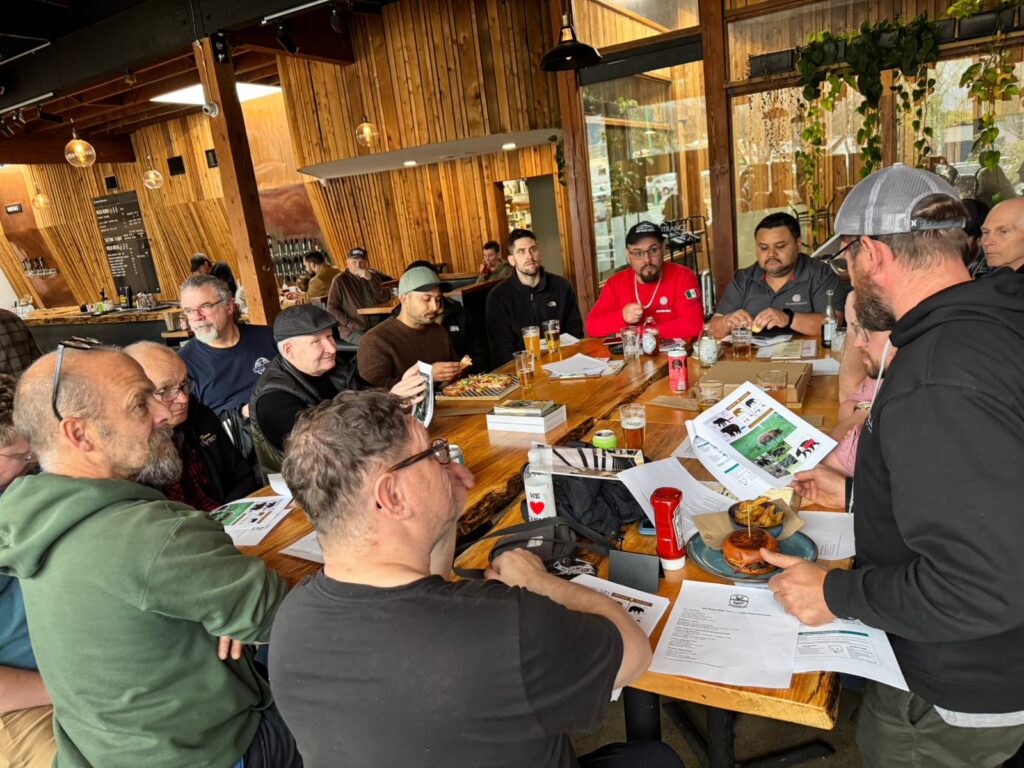
We had a really great turnout for our April 14 Club Meeting at Wildeye. The topic was bear hunting in preparation for the two club bear hunts coming up, but it really turned into a fantastic knowledge swap.
We started with the bare minimums needed to legally and safely hunt bears, and after that the organizers guided the discussion through all the logical sub-topics.
What developed was a really great Q&A based off that discussion between some very experienced bear hunters and those of us who are just getting started.
By the time we were done we probably had 30 people at the tables and standing around.
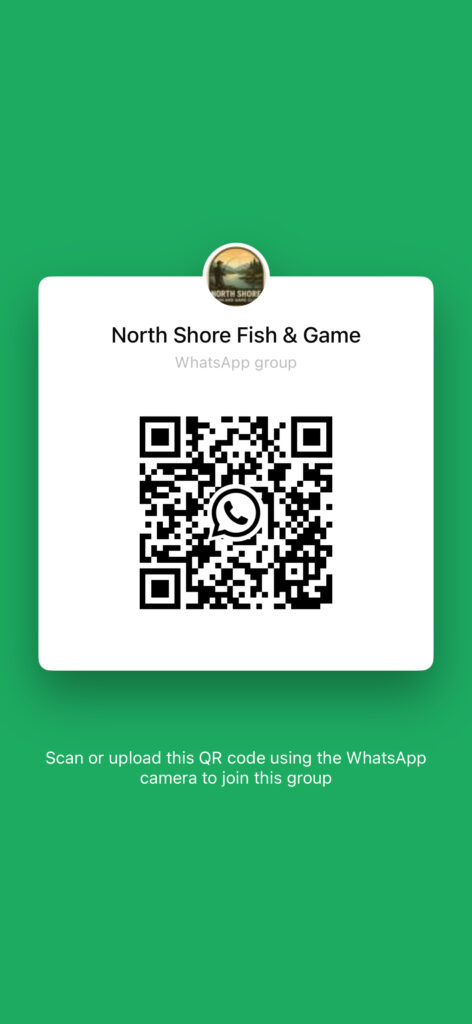
We’ve been using a WhatsApp group for day to day communication and two funny things happened. First, people who I assumed had met each other because they’ve been interacting on WhatsApp for months actually got a chance to meet face to face, so that was great, and the second thing was that the WhatsApp group jumped to 28 members.
If you’re not in that group you can join it with the QR code.
Dana also posted a great video to Instagram that tells more about the event.
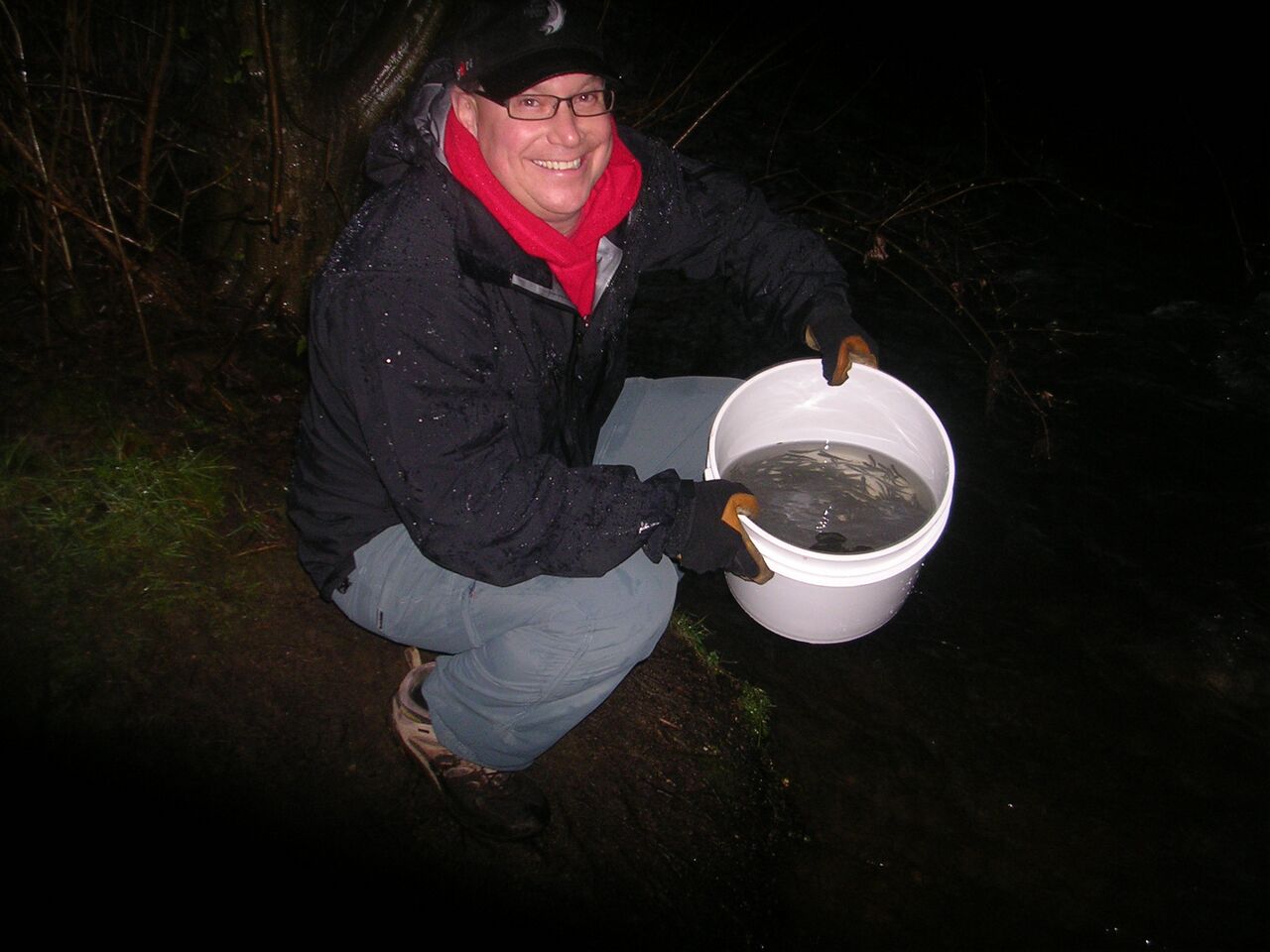
The North Shore Fish and Game annual fry releases coming up. These are lots of fun for kids, and are very educational.
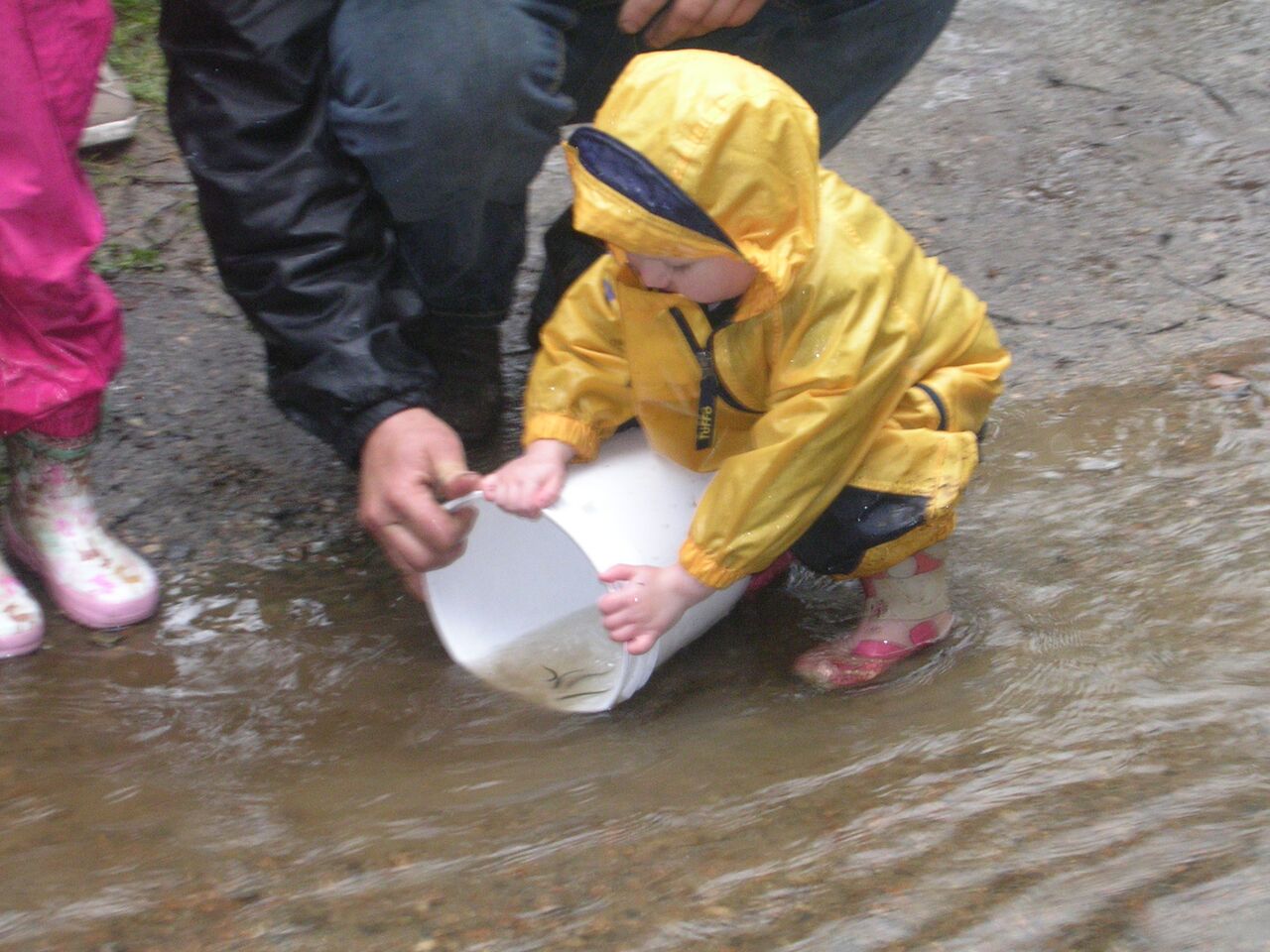
The first is the North Shore Fish & Game Club hatchery release on March 31, 6:00-8:00, at the hatchery at Heywood Park. You can contact Brian Comey for more info.
Our Next Club Meeting is Monday, March 9, at 7:00
We will be meeting at Wildeye Brewery, Monday, March 9, at 7:00. Wildeye was the site of the recent townhall, is owned by one of our club members and is located at 1385 Main Street, North Van.
